How the end-quench test works
- Specimen. A bar of the steel is machined to the ASTM A255 size.
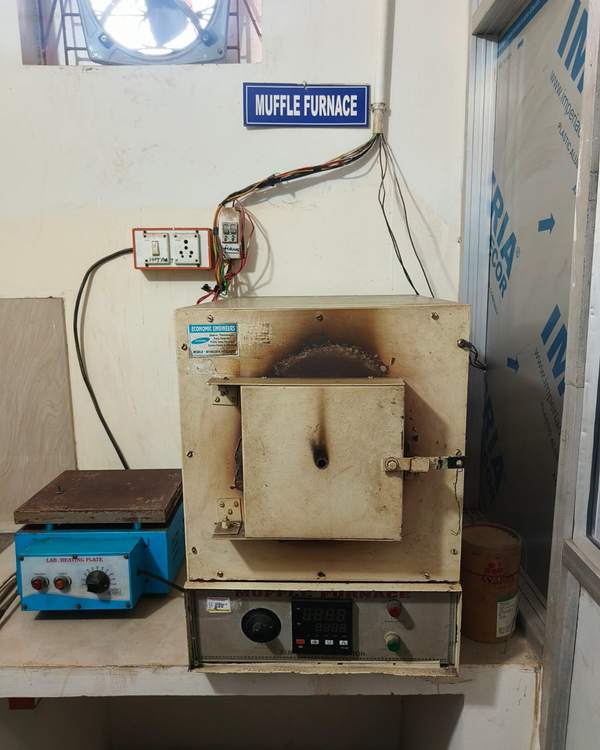
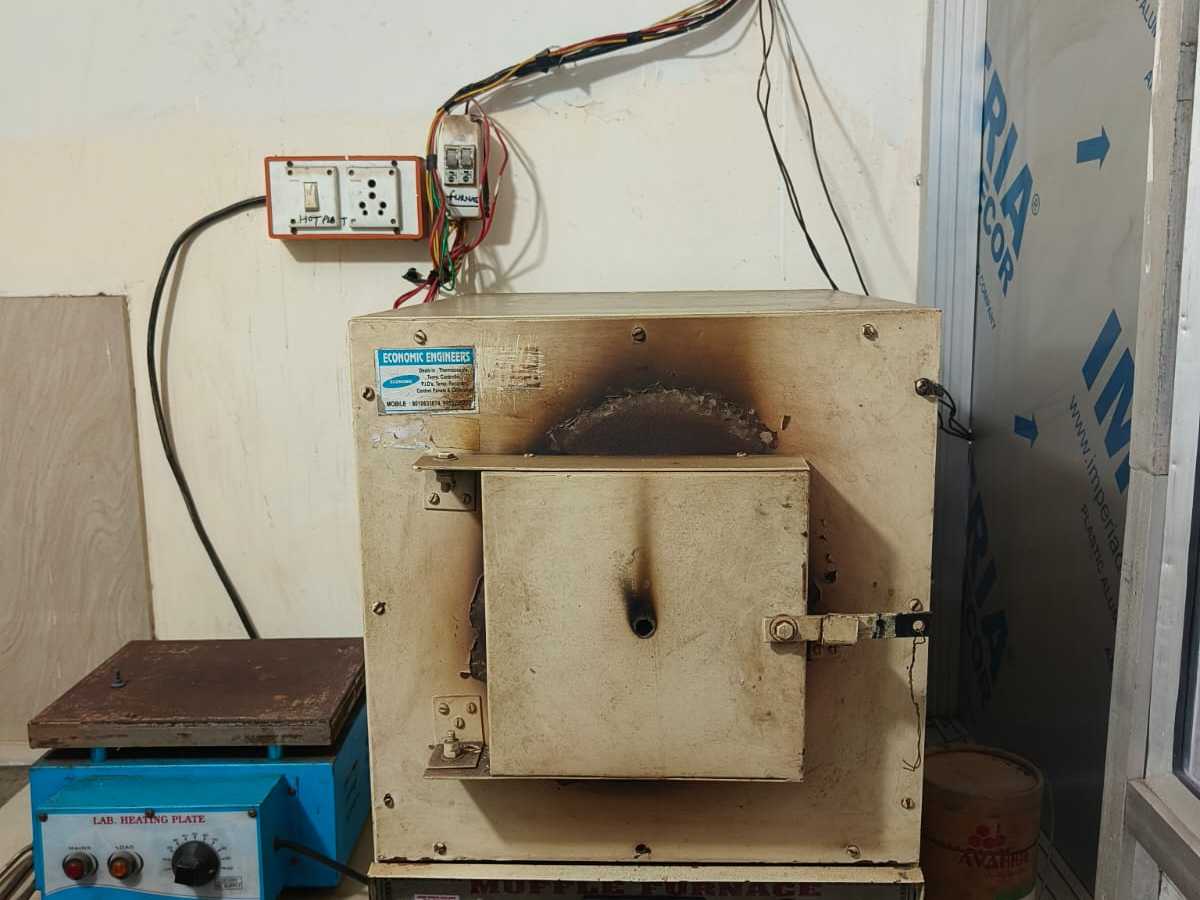
- Austenitising. The bar is heated in a furnace to the hardening temperature for that grade.
- End quench. It’s moved quickly to a fixture where a controlled jet of water strikes one end only. That end cools very fast; the far end cools slowly in air.
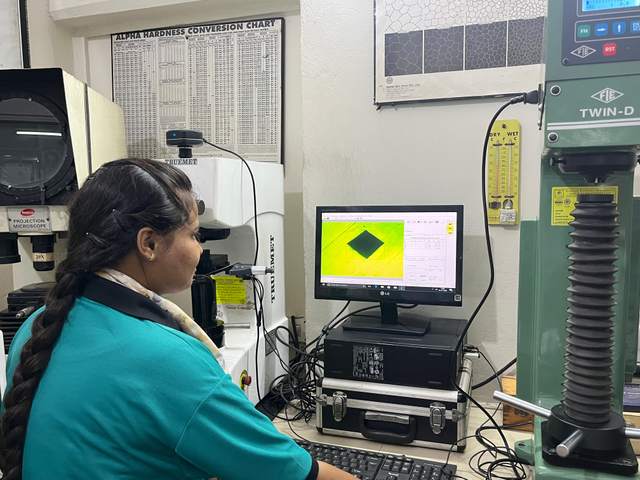
- Hardness traverse. Flats are ground along the bar and hardness is measured at set distances from the quenched end.
Plotting hardness against distance gives the Jominy curve. Each distance corresponds to a cooling rate, so the curve predicts how the steel will respond in sections of different size.
Who uses it
- Forging and gear makers choosing a steel that will through-harden their section size
- Heat treaters setting quench media and checking incoming steel
- Steel buyers checking material against “H” hardenability bands in the purchase specification
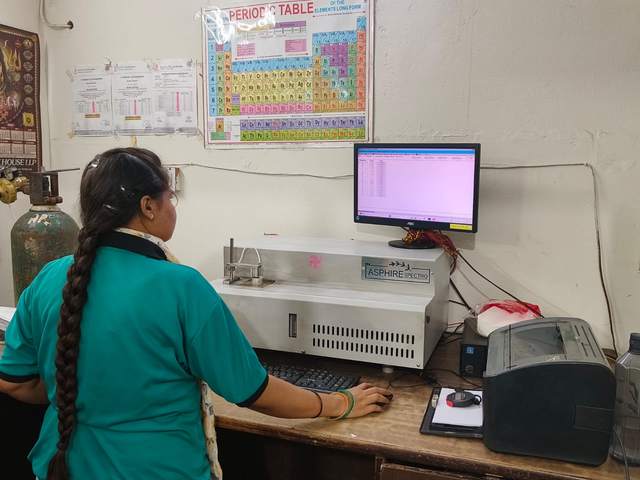
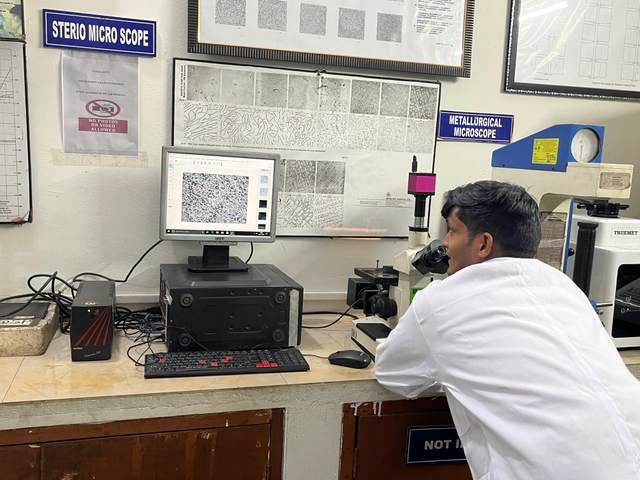
Hardenability depends on carbon and alloy content and on grain size, so a Jominy result outside the expected band is often followed by spectro chemical analysis and grain size measurement.
Last reviewed: