Why cement acceptance testing matters
Cement is the binder that decides the strength and durability of every concrete element on a project. A consignment that sets too fast, expands after hardening or falls short on strength can compromise an entire pour. Acceptance testing at an independent laboratory gives contractors, consultants and owners documentary proof before cement is used.
Physical tests
- Fineness — finer cement hydrates faster and gains early strength; fineness confirms grinding quality.
- Standard consistency — the water content that gives a standard paste, used as the basis for setting time and soundness tests.
- Initial and final setting time — confirms enough working time for placing and compacting concrete, and timely hardening afterwards.
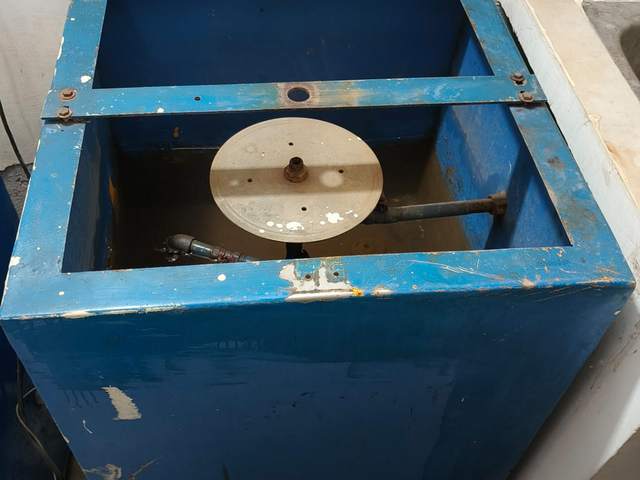
- Soundness — Le Chatelier and autoclave tests detect excess free lime or magnesia that can cause expansion and cracking after hardening. Our lab has a dedicated cement autoclave.
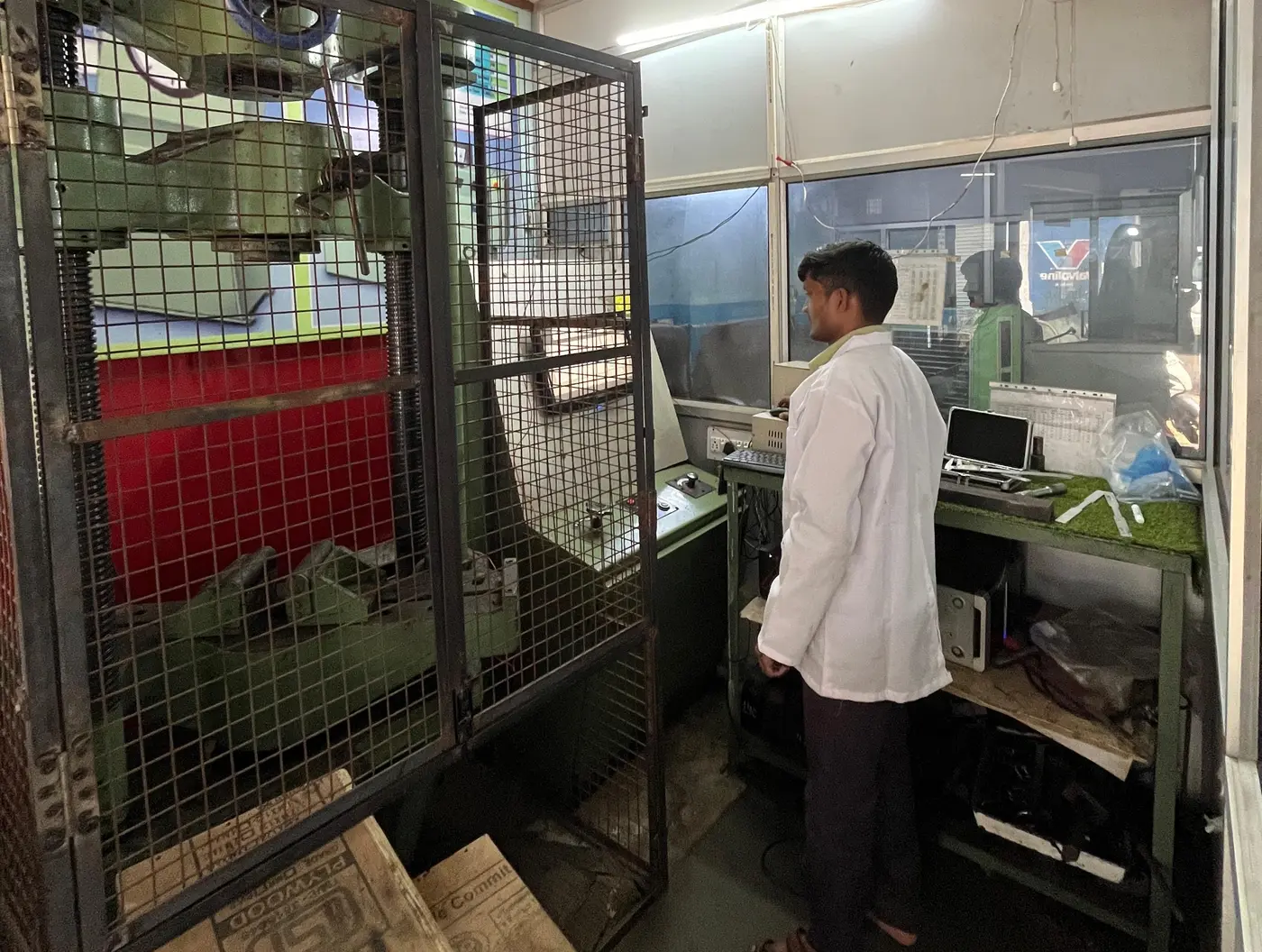
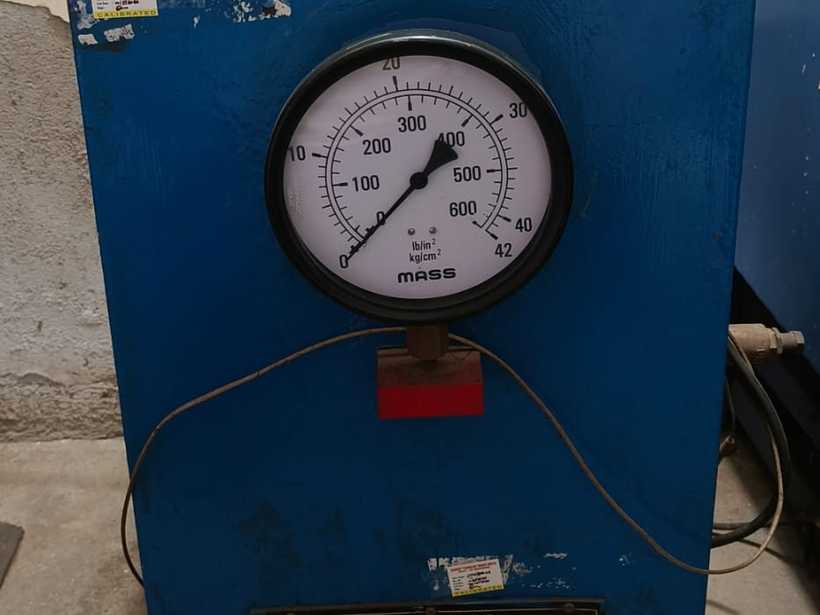
- Compressive strength — mortar cubes are tested at the specified ages to confirm the cement’s grade.
Chemical analysis
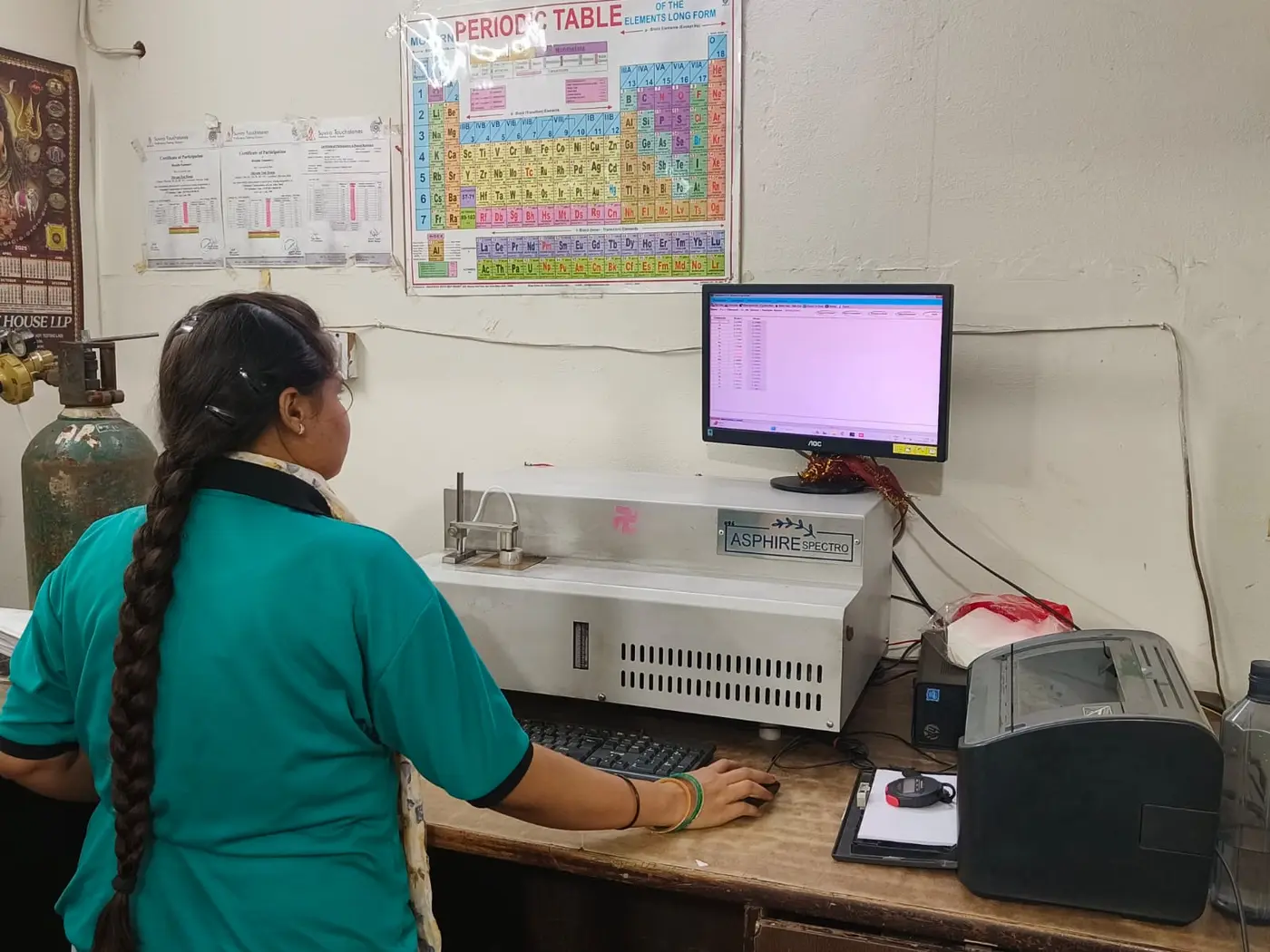
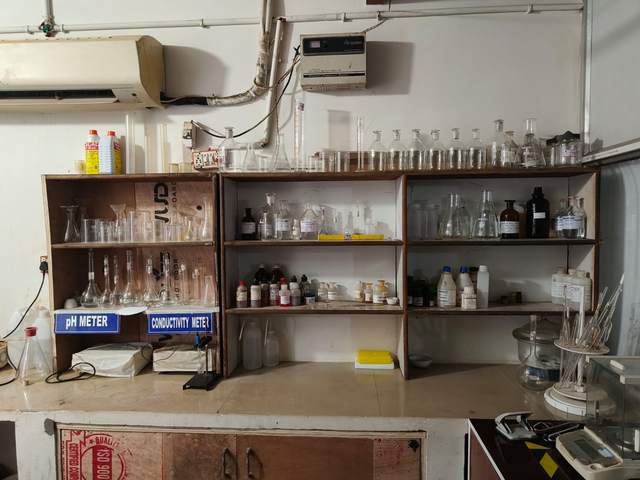
Chemical analysis checks the composition limits in the cement standard, and chloride content confirms the cement will not contribute to reinforcement corrosion. Our chemical testing division runs these analyses in-house.
Part of a complete concrete programme
Cement results are most useful alongside tests on the aggregates, water and the concrete itself. See concrete testing, water testing and our building material testing hub.
Sampling and reports
Send cement in a sealed, airtight container, labelled with the brand, grade, batch and date of manufacture. Reports state each test, the IS method, the result and its compliance with the specified grade.
Last reviewed: