Why test soil before you build or sow
Soil is the one material on a project you cannot specify — you have to measure it. Aggressive soil chemistry attacks foundations from below: water-soluble sulphates react with cement paste, and chlorides accelerate corrosion of reinforcement. High organic content makes ground compressible and unreliable. Finding these early lets your engineer choose the right cement type, cover and protection before concrete is poured, instead of repairing it later.
For agriculture and land use, soil pH, organic matter and heavy metal content decide what will grow well and whether the ground is safe to use.
Soil testing for construction
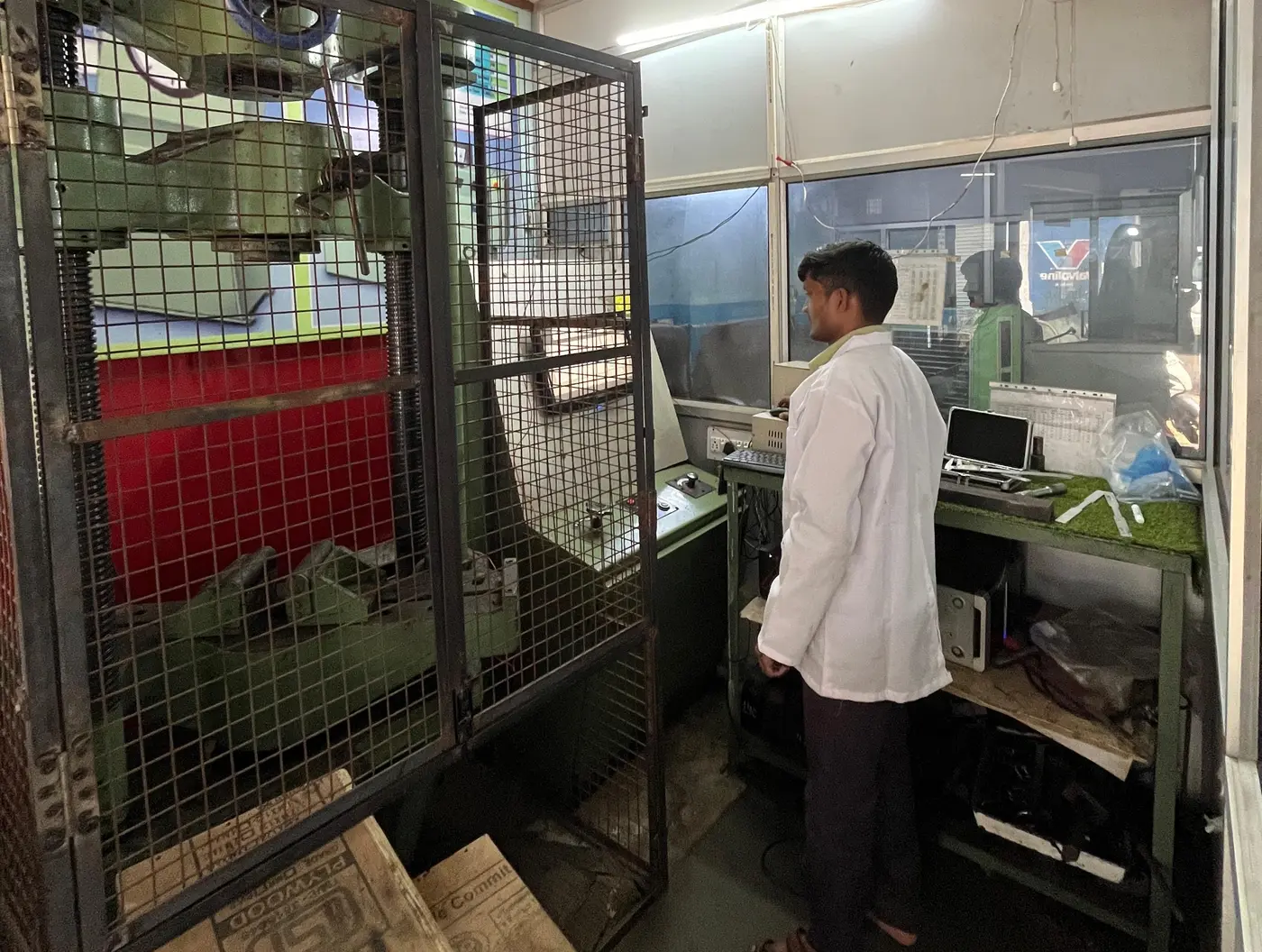
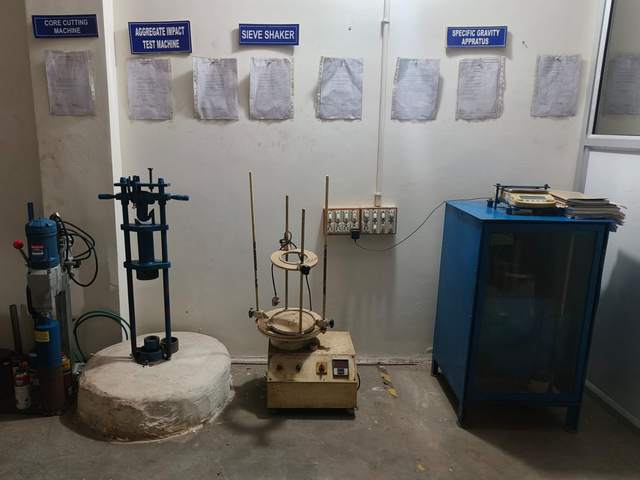
Our building material testing team tests soil alongside the cement, aggregates and water used on the same project, so your consultant gets one consistent set of certified reports. Typical construction checks include:
- Sulphate and chloride content — to assess the exposure class for foundations and select suitable cement and concrete cover.
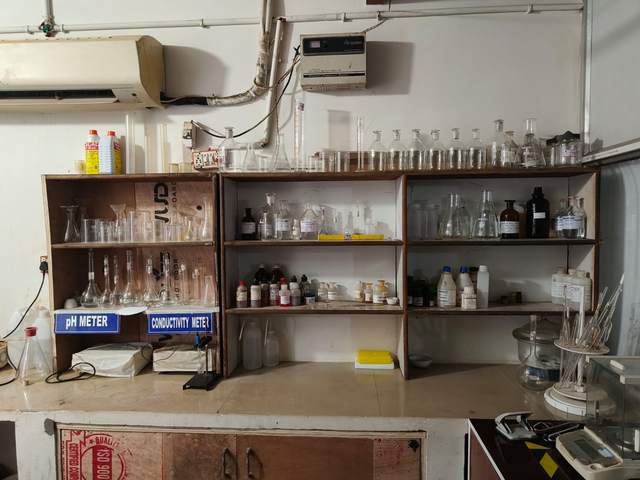
- pH value — acidic ground is aggressive to concrete and steel.
- Organic content — highly organic soil is unsuitable as founding or fill material.
- Moisture content — for handling, compaction planning and sample condition records.
Water from the same site can be tested in our water testing lab for its suitability for mixing and curing.
Soil testing for agriculture and contamination
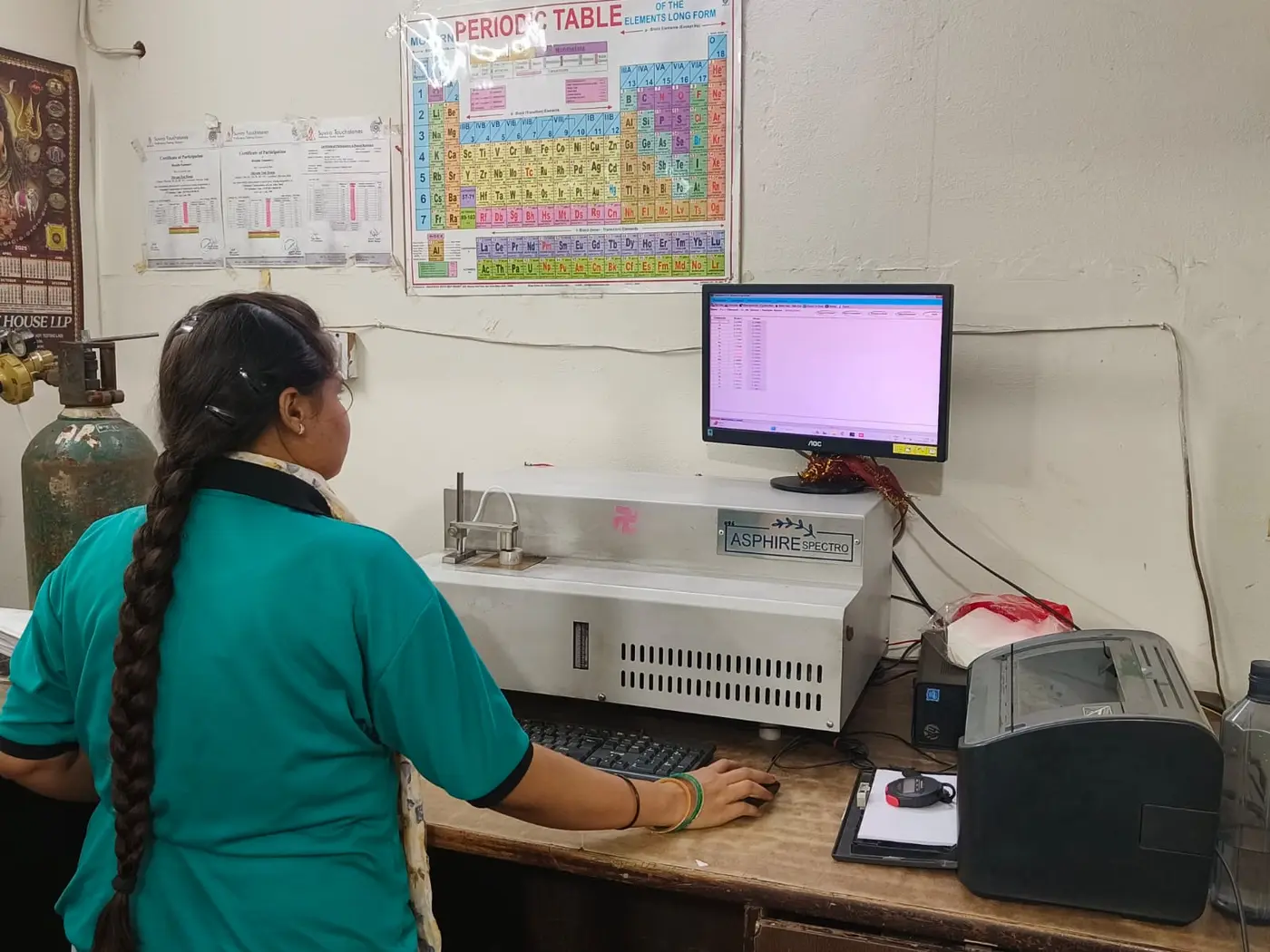
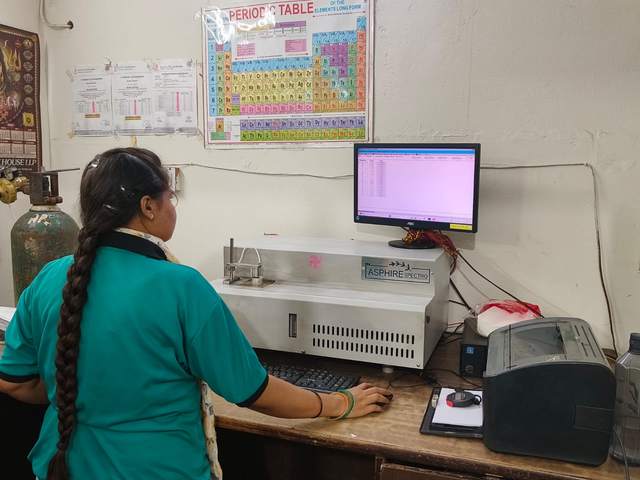
Our chemical testing division analyses soil for pH, organic content, heavy metals and contaminant screening. ICP instrumentation measures metals such as lead, cadmium and arsenic, which matters for farmland near industrial areas and for environmental due diligence on industrial plots.
Sampling and reporting
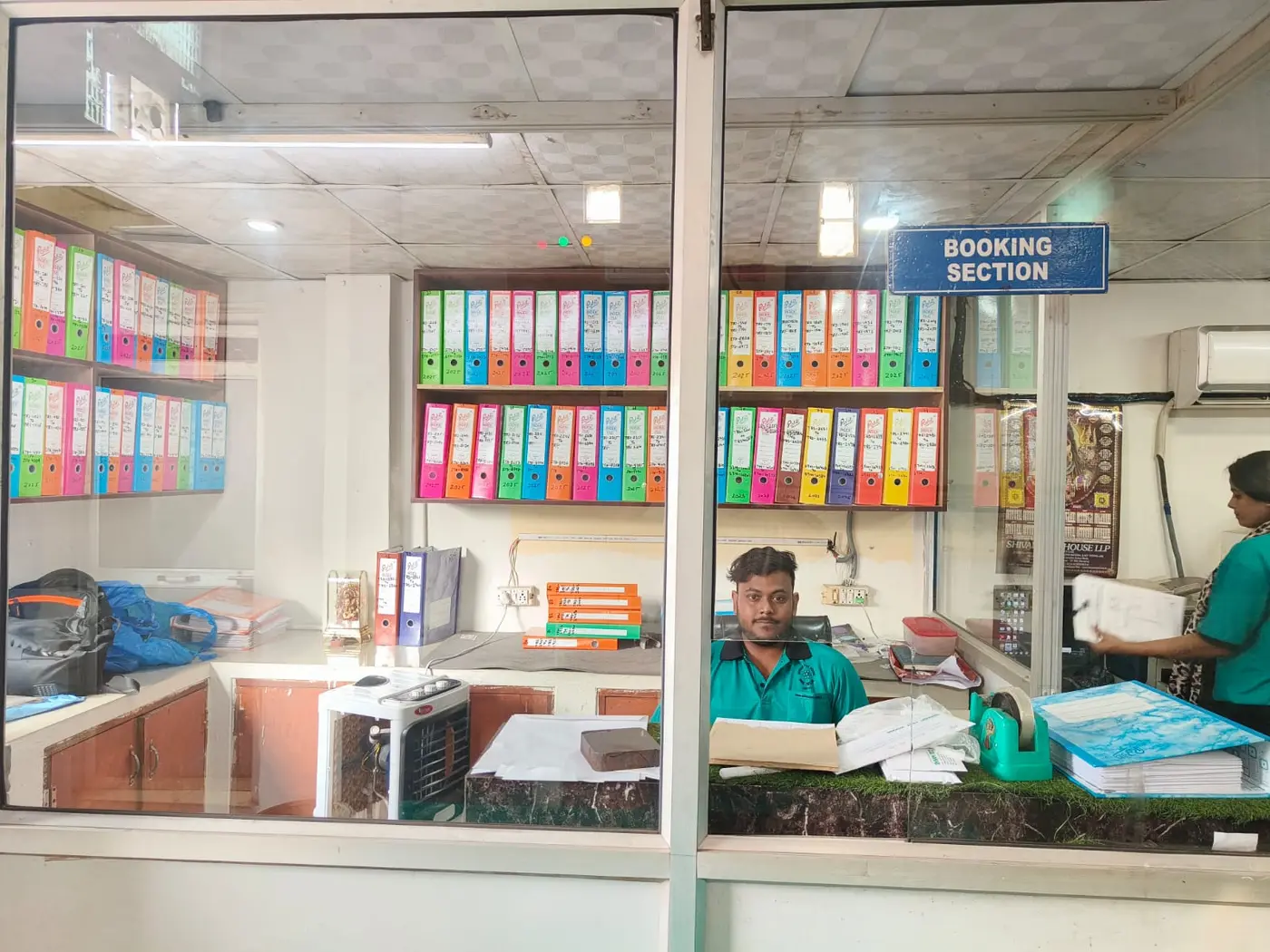
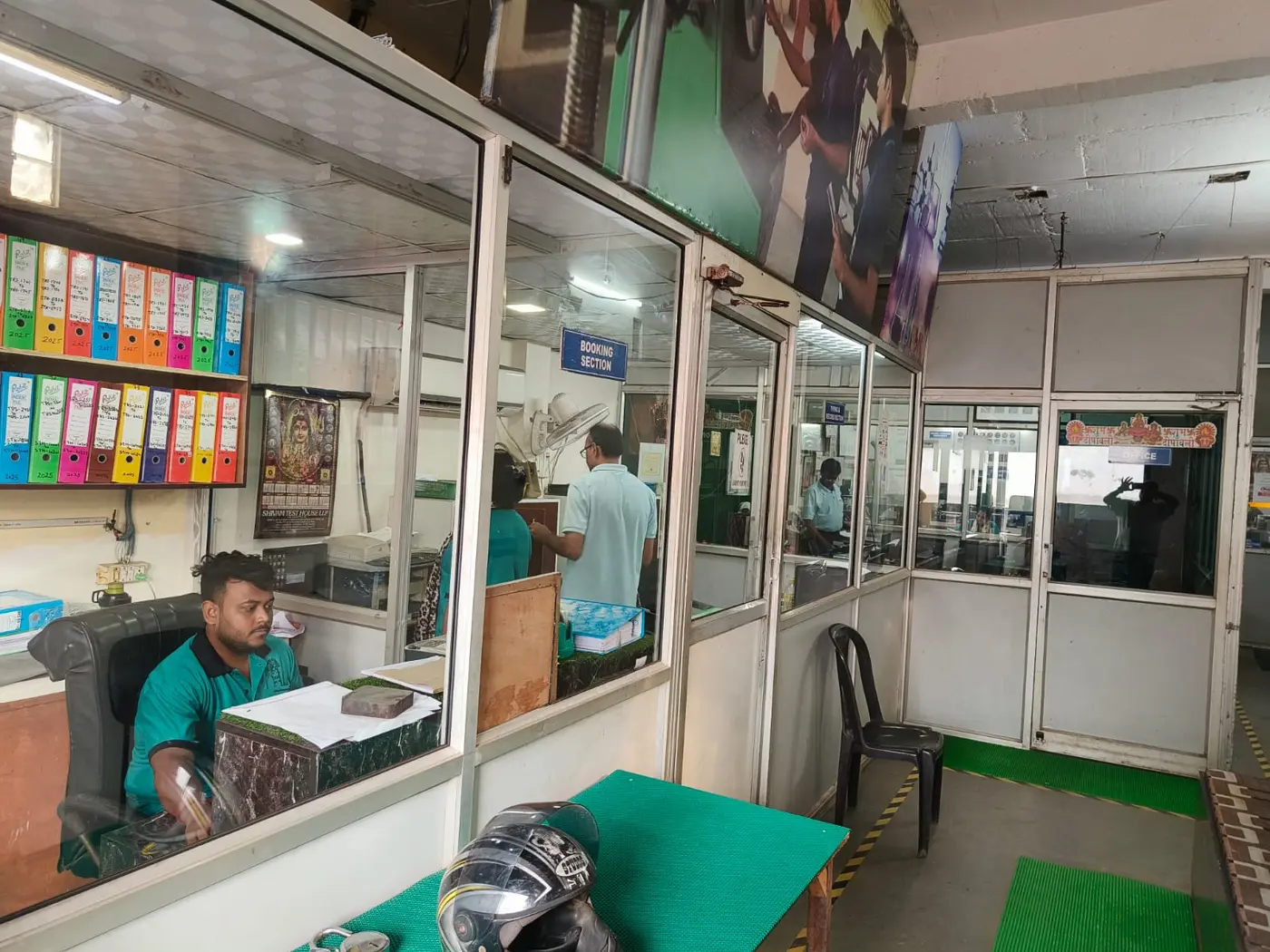
Representative sampling decides the quality of the result. Before you dig, call us — we will advise the number of locations, depth, quantity and packing for your purpose. Samples can be dropped at our Faridabad lab or picked up across Faridabad and NCR.
Each certified PDF report lists the parameters tested, the method reference, results with units, and a clear statement of the findings, ready for your structural consultant, bank or regulator.
Last reviewed: