Concrete acceptance, done independently
Concrete is made on site or at a plant and judged weeks later. Independent testing gives contractors, consultants and owners documented evidence that the concrete placed meets its specified grade, and early warning when it does not.
Cube and core compressive strength
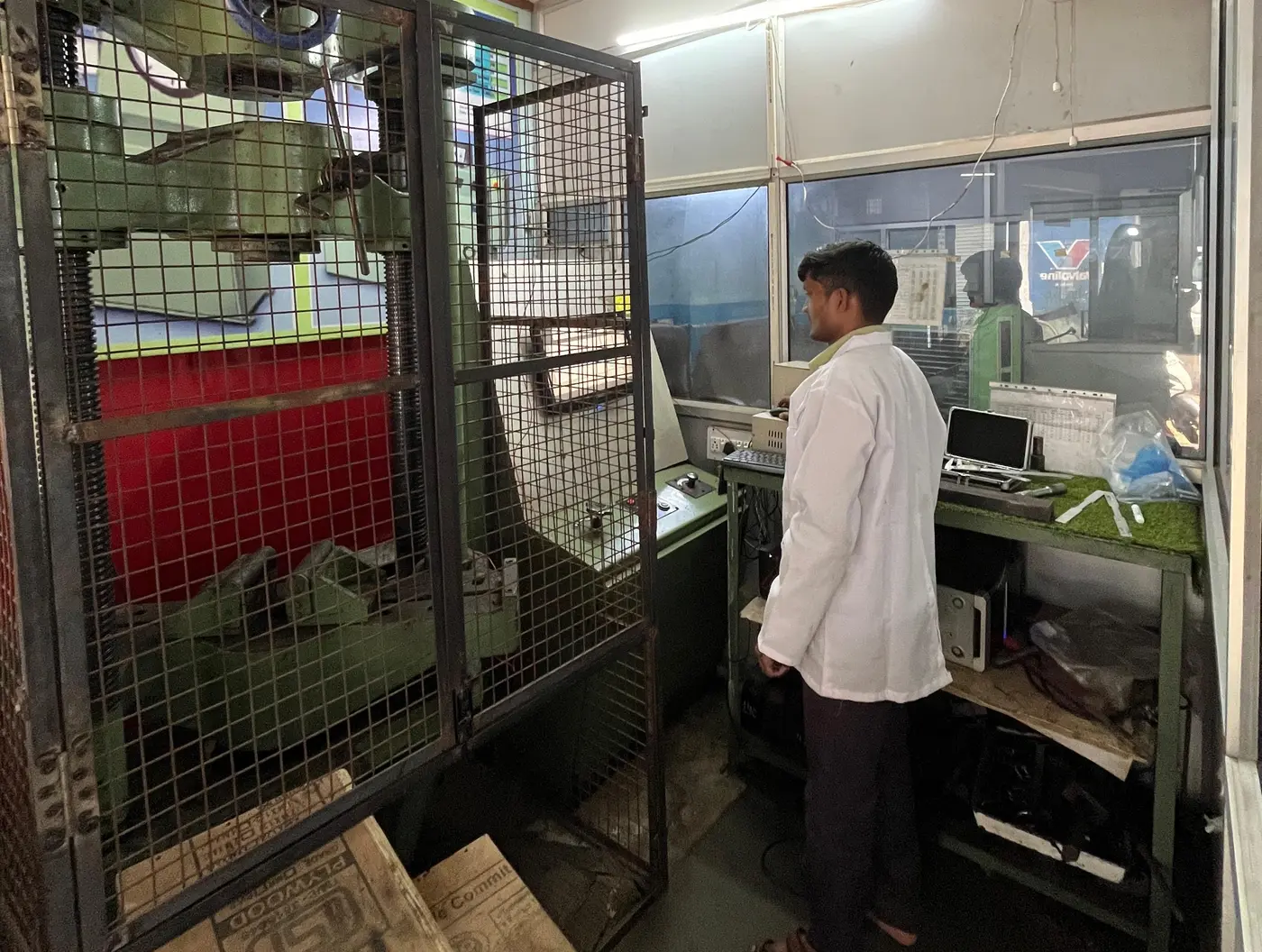
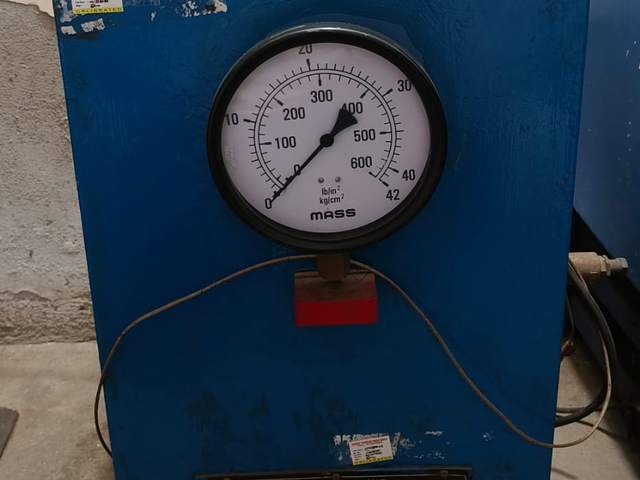
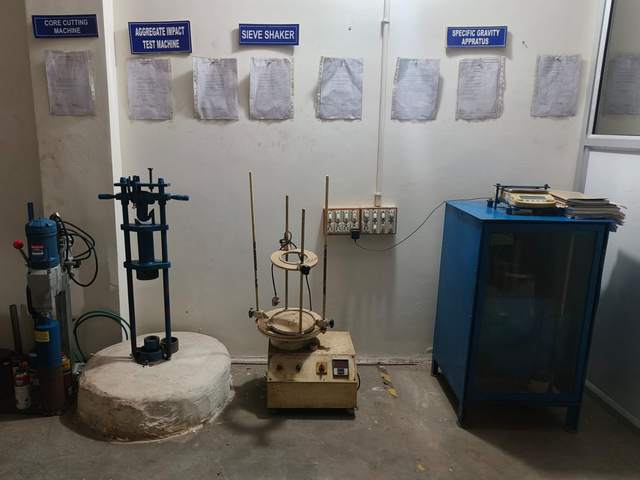
Compressive strength testing of cubes and cylinders is the backbone of concrete acceptance. We crush cubes at the specified ages and report the strength against the characteristic strength of the grade. When cube results are missing or disputed, cores can be extracted from the structure and tested to establish the strength actually achieved.
Workability — slump
The slump test checks the consistency of fresh concrete for placing and compaction, and helps detect water added at site.
Non-destructive testing of concrete
For in-situ assessment our engineers use:
- Rebound hammer — surface hardness as an indicator of compressive strength and uniformity.
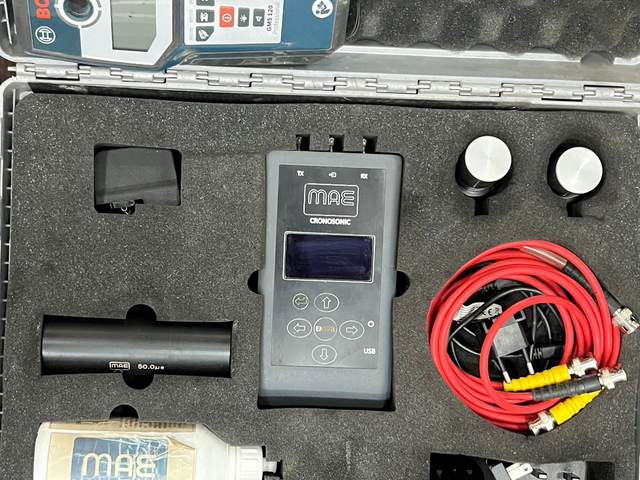
- Ultrasonic pulse velocity (UPV) — wave speed through the concrete reveals cracks, voids and honeycombing, and indicates quality.
- Half-cell potential — maps the probability of active reinforcement corrosion.
These methods are combined with coring when necessary to produce conclusive evidence for structural decisions. See NDT testing for the full inspection range.
Durability checks
Chloride and sulphate determination on concrete shows exposure to the chemicals that drive reinforcement corrosion and sulphate attack. Our cement testing and aggregate tests help trace a problem back to its source material.
Reports
Reports include clear pass/fail statements, numeric results and photographic evidence where appropriate, ready for your consultant, client or authority.
Last reviewed: