Why corrosion testing matters
Corrosion is slow in the field and expensive when it is discovered. Accelerated corrosion tests compress months of exposure into a controlled, repeatable laboratory test, so you can compare coatings, qualify a plating supplier or approve a production batch before parts reach customers.
Salt spray test — IS 9844 & ASTM B117
In the salt spray (neutral salt fog) test, samples sit in a sealed chamber filled with a fine mist of salt solution under controlled temperature. At agreed intervals they are inspected for:
- White rust on zinc and galvanized coatings
- Red rust showing attack on the base steel
- Blistering, peeling and creep from scribe lines on painted and powder-coated parts
Salt spray is a comparative test: it ranks coatings and processes against each other and against a specification, rather than predicting exact service life. Reports state the standard, test duration, inspection intervals, photographs and the observed result against your acceptance criteria.
Intergranular corrosion (IGC) and sensitization
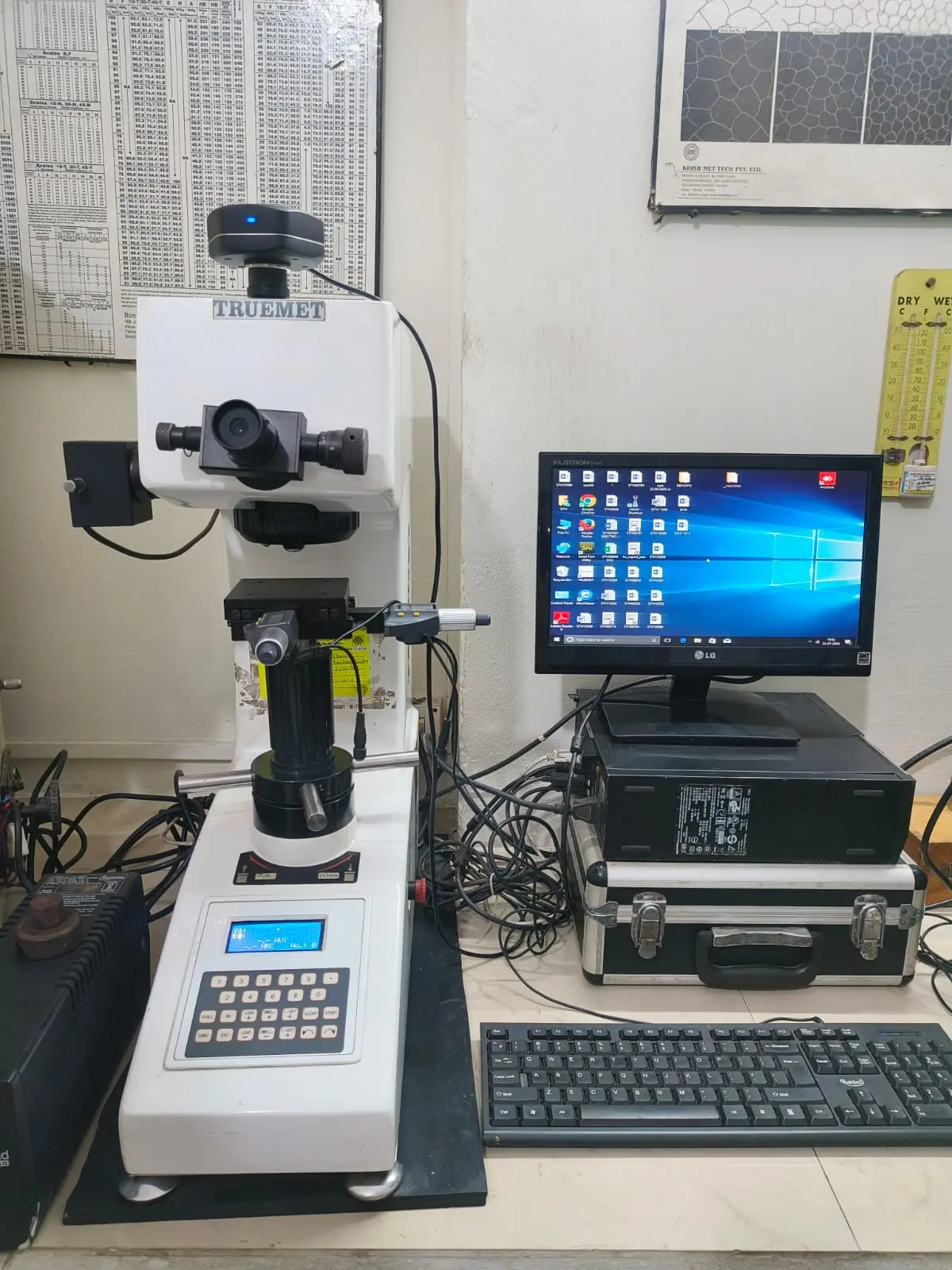
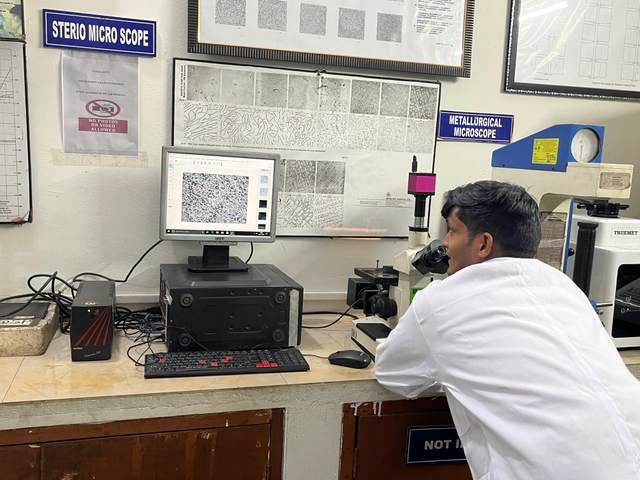
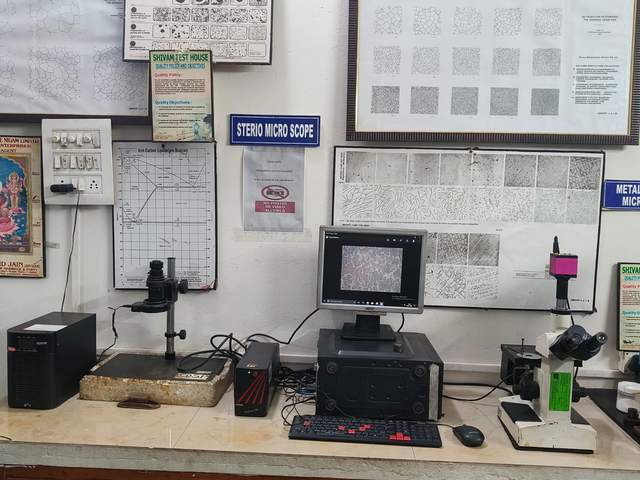
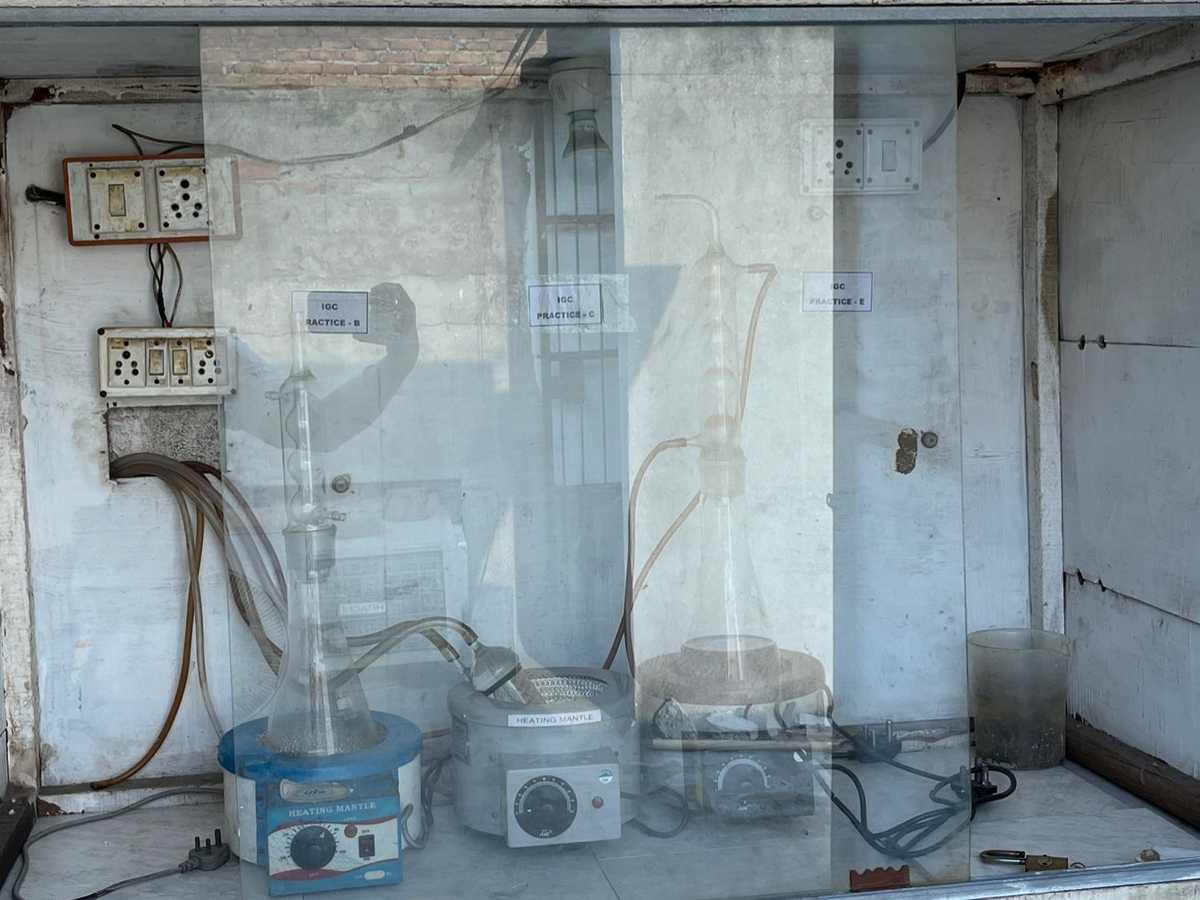
Austenitic stainless steels can become sensitized when welding or heat treatment depletes chromium at the grain boundaries. The IGC test exposes this weakness before it causes failures in service. Our metallography team examines the attacked surface and cross-section under the microscope to rate sensitization and intergranular attack.
Coatings and plating
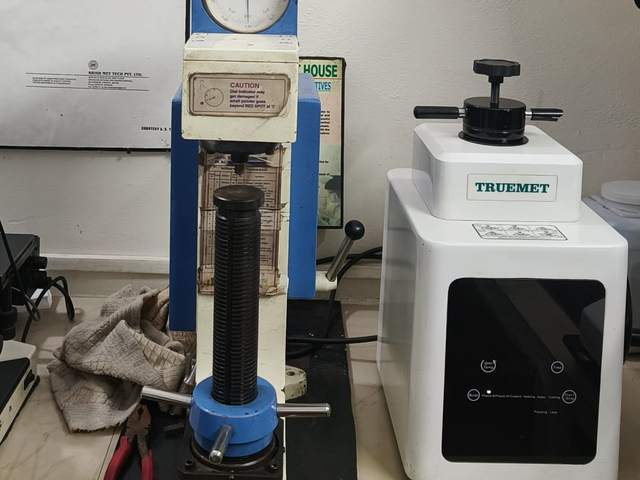
Plating and coating thickness is measured on prepared cross-sections, which helps explain a salt spray failure: a thin or uneven coating is the most common root cause.
Booking a test
Share the part drawing or specification, the required hours and the number of samples. Samples can be dropped at our Faridabad lab or picked up across Faridabad and NCR. Call +91-9560999151.
Last reviewed: