How a salt spray test works
Parts are placed in a closed chamber and exposed to a fine fog of 5% sodium chloride solution at 35 °C, as ASTM B117 and IS 9844 specify. The fog settles continuously on the samples, creating a much more aggressive environment than normal weather. At agreed intervals the samples are inspected for white corrosion products, red rust, blistering or coating lift.
Who needs it
- Fastener and pressed-part makers supplying zinc-plated, zinc-flake or phosphated parts to automotive OEMs
- Fabricators and painters proving powder-coat or paint system quality
- Electrical enclosure and hardware manufacturers meeting customer corrosion specs
- Quality teams comparing coating suppliers or checking a process change
Getting a meaningful result
- Specify the hours and the criterion before the test starts. “No red rust at 96 hours” is testable; “good corrosion resistance” is not.
- Send representative parts. Edges, threads and recesses usually fail first, so test real parts where possible.
- Don’t clean or touch the surface. Fingerprints and solvents change the result.
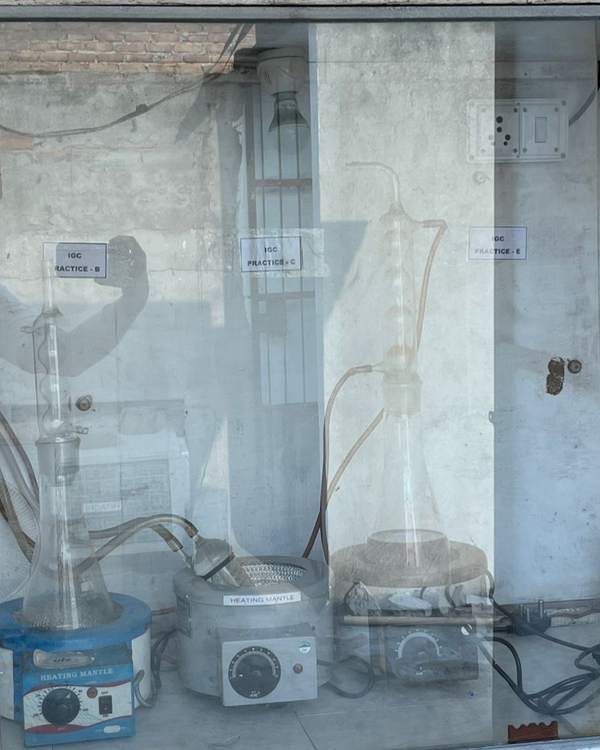
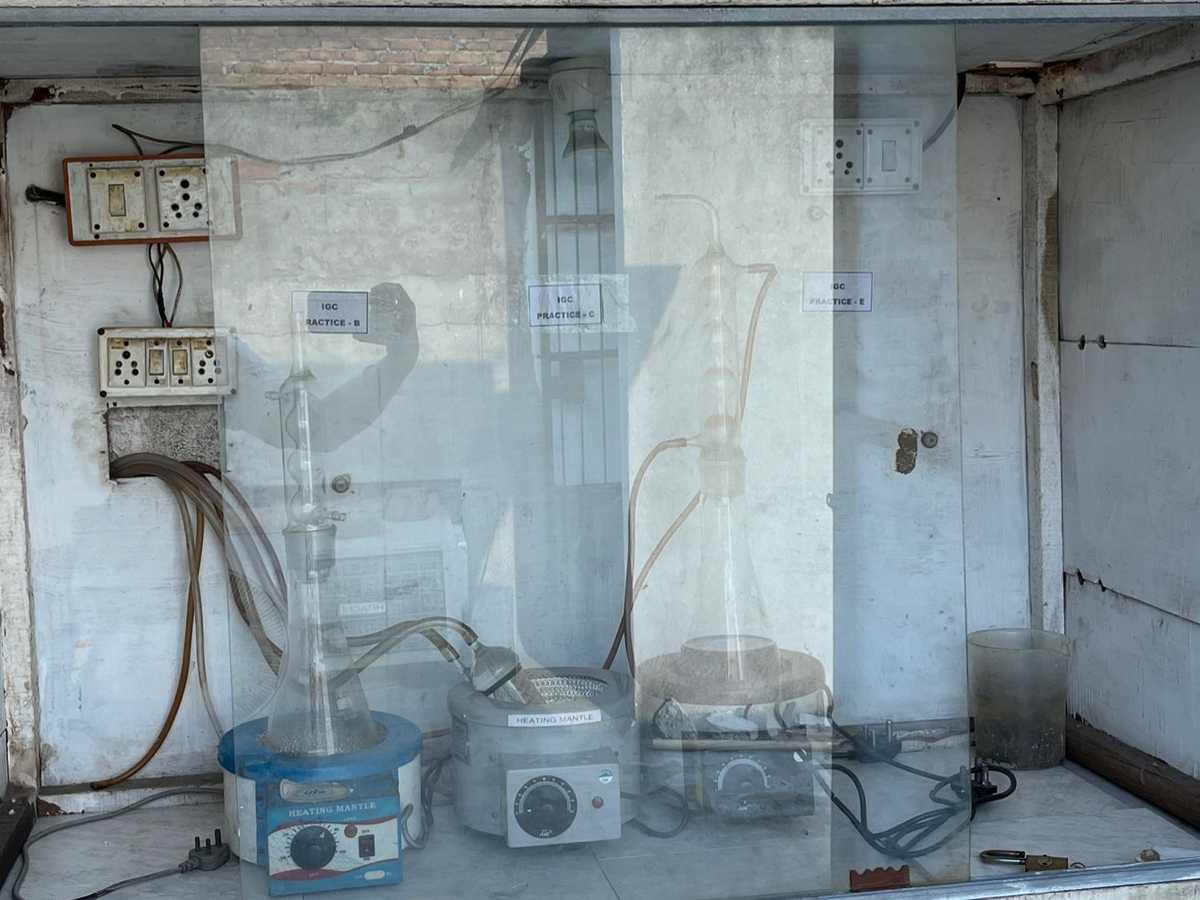
For stainless steel, the test that matters is often not salt spray but intergranular corrosion (IGC) to ASTM A262, which we also offer through our corrosion testing lab.
Last reviewed: