The cube test in brief
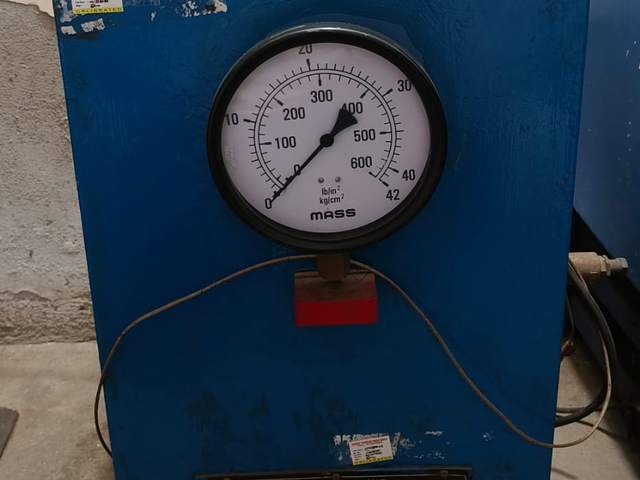
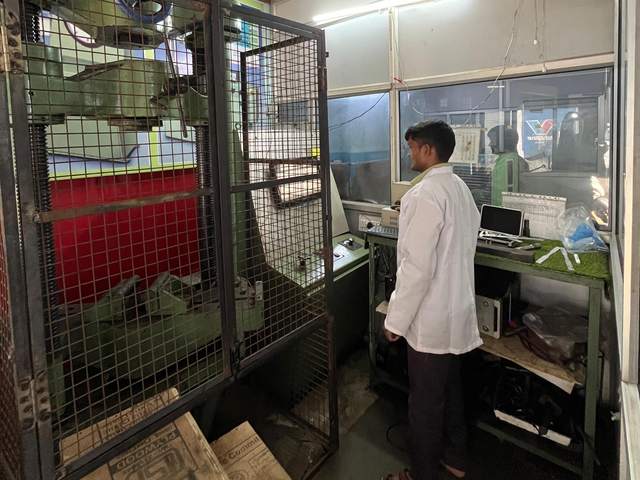
Fresh concrete is sampled at the pour, cast into steel cube moulds, demoulded and cured in water. At the test age each cube is placed in a compression testing machine and loaded steadily until it fails. The maximum load divided by the loaded area gives the compressive strength in N/mm².
Results are judged on sets, not single cubes. The average of a set, and how far any one cube falls below it, decide whether the concrete meets its grade.
Common reasons for low cube results
- Poor compaction in the mould, leaving voids
- Inadequate curing: cubes left dry or exposed to sun on site before transport
- Damage in transport: chipped edges and cracks
- Wrong age at test: crushing early or late without noting it
Good sampling and curing practice avoids most disputes. If you’re unsure, call us before casting.
Concrete already in the structure
When cubes are missing, doubtful or have failed, the concrete in place can be checked:
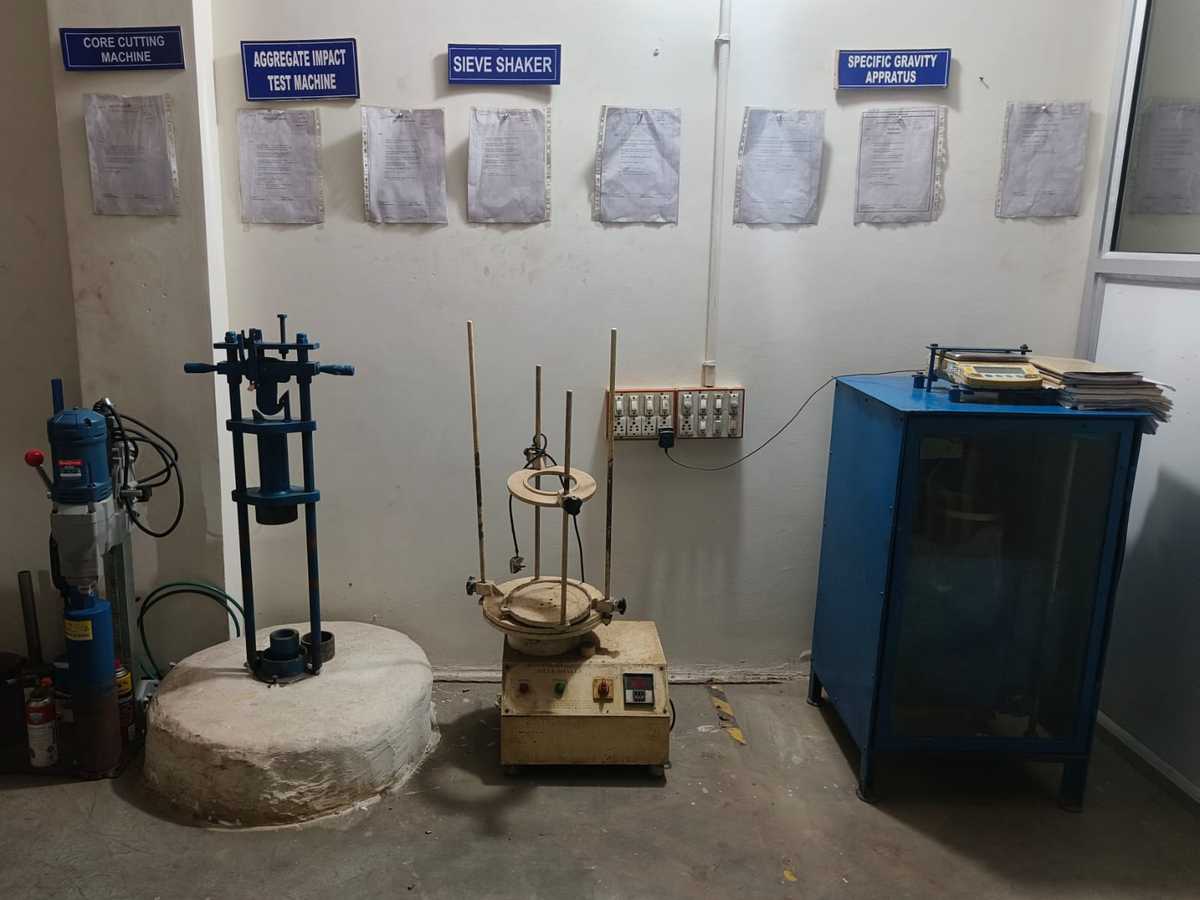
- Core testing (IS 516): cylinders drilled from the member and crushed. The most direct in-place measure.
- Rebound hammer (IS 13311 Part 2): a quick surface hardness survey to compare areas.
- Ultrasonic pulse velocity (IS 13311 Part 1): checks uniformity and finds honeycombing or cracks.
See NDT testing and concrete testing for the full on-site scope.
Last reviewed: